Understanding Hot Desking as a Modern Workspace Solution

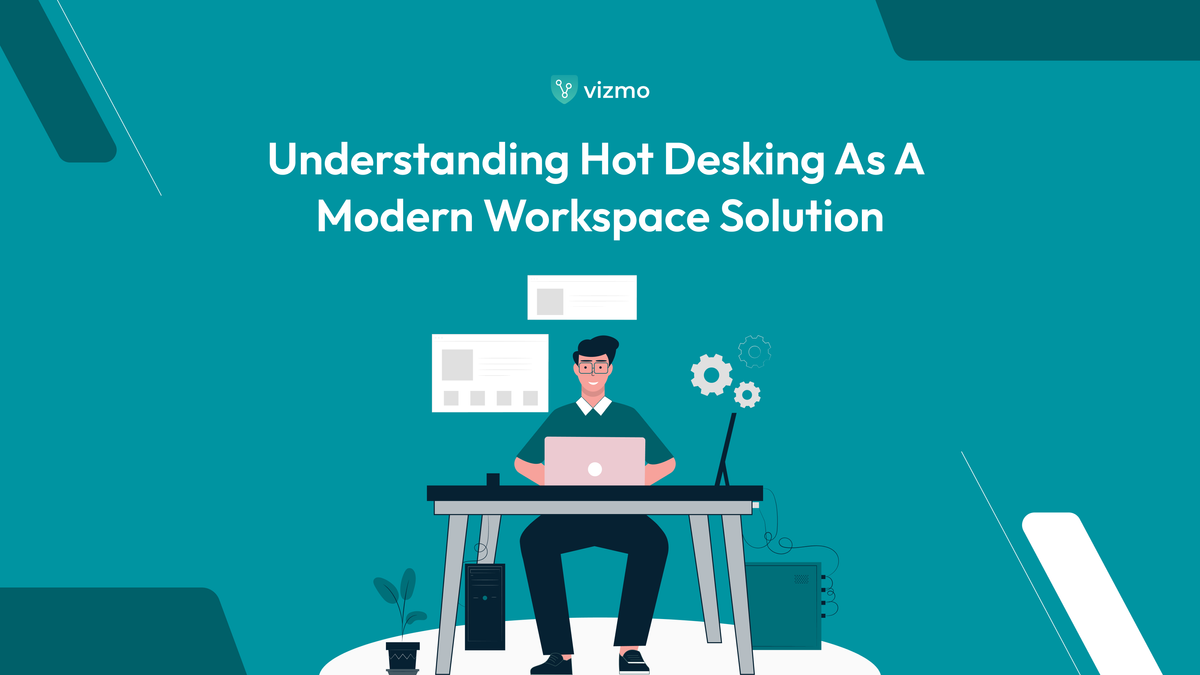
Hot desking has emerged as a key feature of modern, flexible office environments. Rather than being tied to a single assigned or designated desk, hot desking offers employees the flexibility to choose their desks. The shift towards hot desking aligned with the growing popularity of hybrid work models that gained momentum post-pandemic. The 2021 Accenture Future of Work Study revealed that 83% of workers prefer a hybrid setup.
As companies adapt to this demand, hot desking offers a solution, allowing organizations to cut office operating costs by up to 30% and save 15% to 25% on space. Hot desking is becoming a part of smart offices as it promotes flexibility and collaboration while making the workplace more efficient. In this blog, we’ll cover the essentials of hot desking, from how to make it work effectively to the key benefits and challenges.
How Hot Desking Operates in Today's Offices?
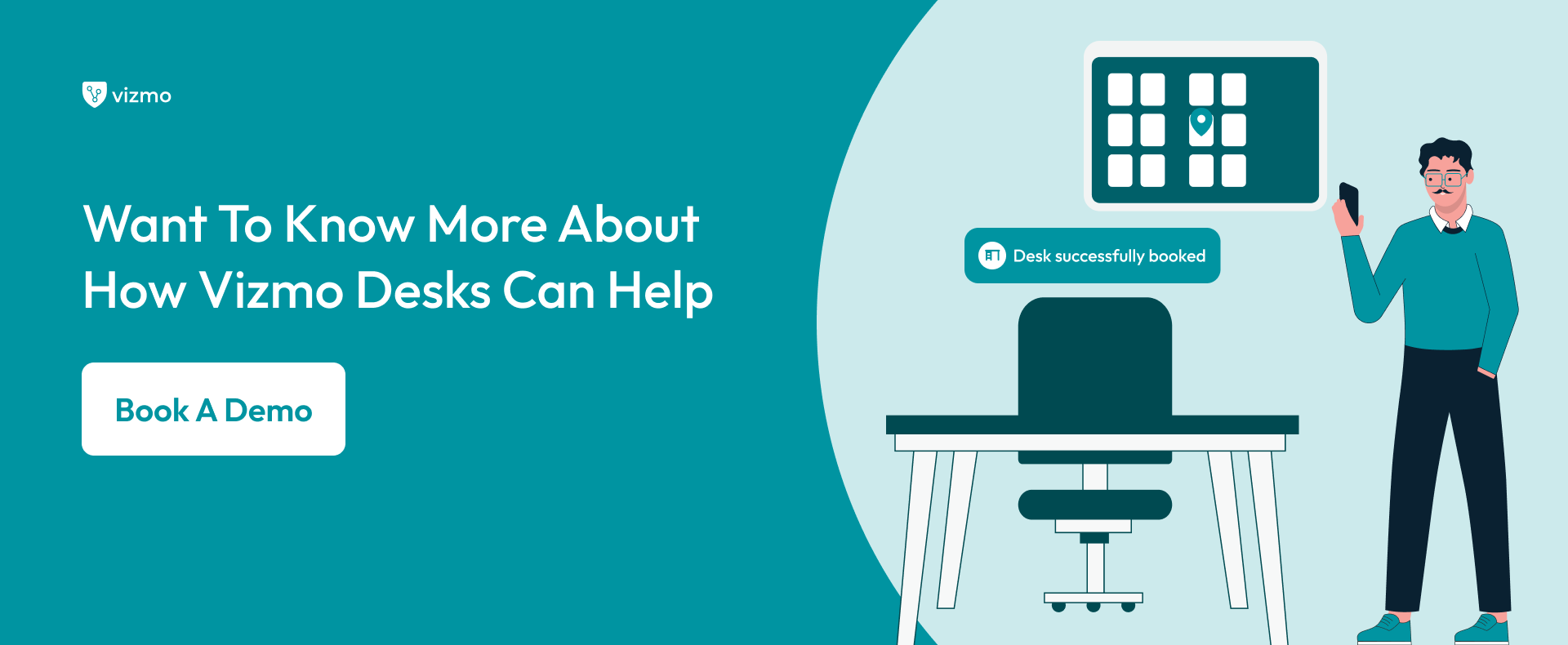
In modern office setups hot desking operates in two methods either desks are allocated on a first-come, first-served basis or through a reservation system, where employees book a desk in advance using an app or online tool. Hot desking can be found in both private and shared office spaces, where you can easily pick a desk, plug in, and get to work.
A typical hot desking setup includes shared resources like printers, meeting rooms, and storage spaces. Employees can access amenities such as charging stations, bookable meeting room lockers, wifi, and common areas, making the workspace more dynamic. A user-friendly booking system is essential for managing hot desks. It allows employees to easily find and reserve a desk, helping the office run smoothly and ensuring efficient use of space.
Key Differences Between Hot Desking and Hoteling
Hot desking and hoteling have similar goals but operate differently. Hot desking is a flexible system where employees can book desks for certain hours or the entire day according to their own schedules and work preferences. Hoteling is a more structured approach where employees reserve a desk or workspace in advance for a specific period or longer durations, ranging from a few days to several weeks or months. Hot desking offers more flexibility since employees can choose where to sit on any given day without prior reservations. This allows for spontaneous collaboration and a dynamic work environment. In contrast, hoteling provides a structured approach that helps employees plan their work schedules and ensures they have a guaranteed workspace when they arrive.
Exploring the Benefits of Hot Desking for Businesses
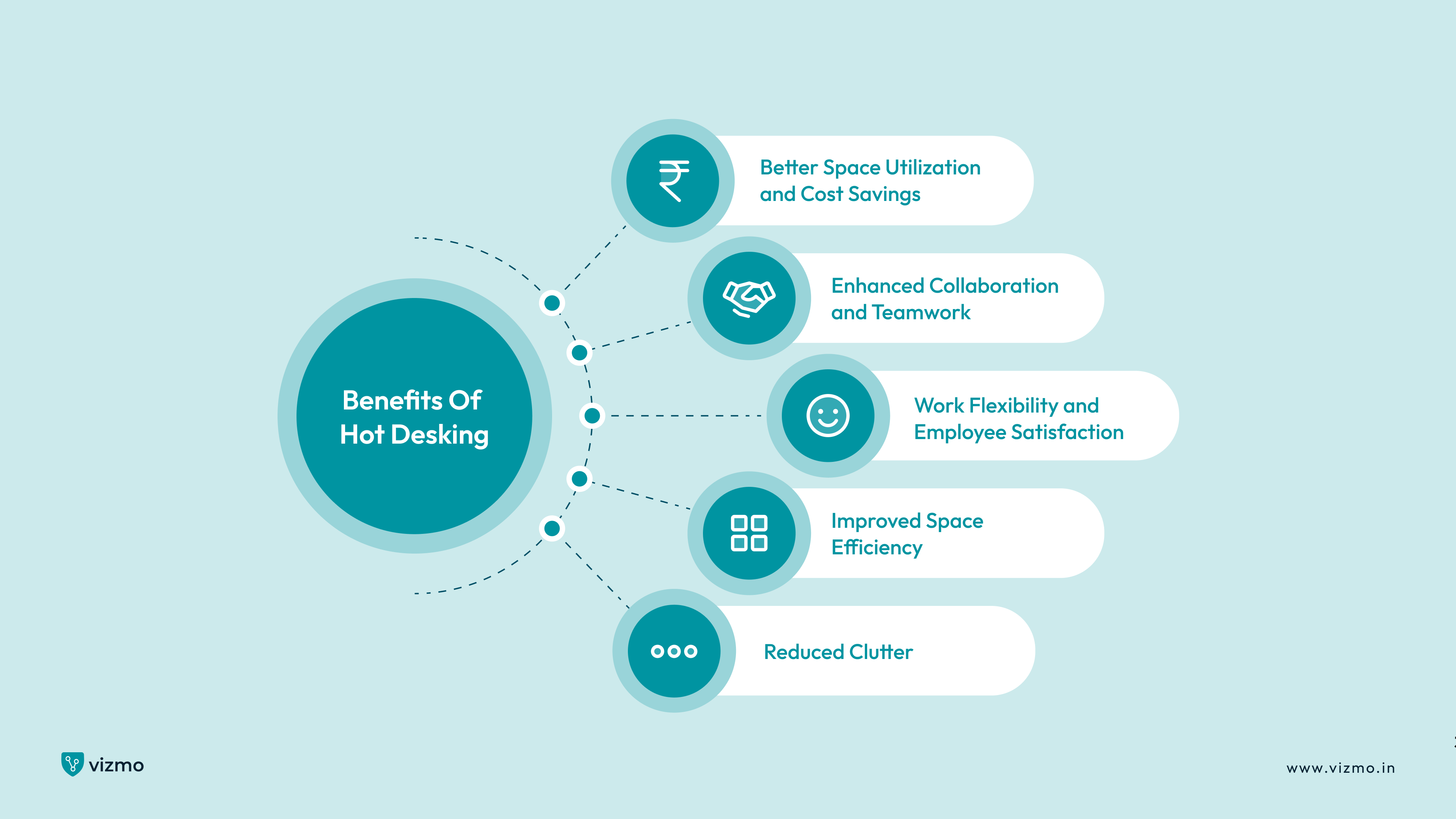
1. Better Space Utilization and Cost Saving
A permanent desk for each employee is often not essential in modern hybrid offices. According to data from an Inc. survey, about 40% of dedicated desk space goes unused on any given day. This means a significant portion of office space is left empty, leading to wasted resources and inefficient use of office space. By rethinking traditional desk assignments, businesses can optimize their work environment and reduce unnecessary rental costs.
2. Enhanced Collaboration and Teamwork
Hot desking encourages productivity, movement, and interaction, keeping the workday fresh and dynamic. It opens opportunities for employees to have control over their working environment, by having the flexibility to choose their surroundings they can select where to sit and meet new members from other departments or teams enhancing both interaction and collaboration.
A study from the University of Exeter found that employees who have control over their workspace reported higher levels of health, happiness, and productivity. In addition, according to Zenefits, 77% of employees considered flexible work arrangements as a major factor in deciding job opportunities, signaling their increasing desire for more flexibility in both how they work and where they work.
3. Work flexibility and Employee Satisfaction
Hot desking allows employees to choose where and when they work within the office, offering flexibility that can accommodate various work styles and personal preferences. This can lead to higher job satisfaction as employees can adjust their work environment to match their tasks.
In a Gallup survey, 37% of employees stated they would be willing to leave their current jobs in a traditional office setting to join a company that offers a more flexible work environment. This demonstrates the increasing importance workers place on having the ability to choose how and where they work, with many willing to prioritize flexibility over staying in their current role.
4. Improved Space Utilization
Permanent desks can take up a significant amount of office space, research from an Inc. survey shows that around 40% of dedicated desk space remains unused on any given day. This highlights how much valuable office space is being underutilized in traditional office setups.
Hot desking ensures that office space is used more efficiently. With fewer empty desks, the workspace can be optimized for both collaborative and individual work. You can easily track usage patterns and optimize your empty office space to occupy for other purposes accordingly.
5. Reduced Clutter
In traditional office setups, employees often accumulate personal items and supplies at their desks, leading to clutter over time. Hot desking minimizes this by eliminating dedicated workstations, encouraging a more streamlined, minimalist approach. Since employees no longer have dedicated desks, the need for personal storage decreases.
However, many hot desking offices understand the need for employees to still have access to personal items throughout the day. To accommodate this, they often provide dedicated storage areas, such as lockers or personal storage units, where staff can securely store belongings when not in use. By offering these storage solutions, hot desking strikes a balance between reducing desk clutter and maintaining the flexibility to store necessary items.
Navigating the Challenges of Hot Desking in the Workplace
Hot desking can pose challenges like the lack of personal space, making employees feel unsettled, and frequent disruptions, which can affect focus. Some workers may also feel disconnected without a personalized workstation while adjusting to constantly changing seating arrangements can create anxiety. These issues often result in reduced morale and productivity as employees struggle to adapt to the unpredictability of shared spaces.
To tackle this, companies should set clear desk usage policies and create designated quiet areas to balance collaboration with focus. Regular feedback and effective communication can also help adjust the hot desking setup to better meet employee needs while maintaining a positive work environment.
Is Hot Desking the Right Fit for Your Organization?
Hot desking is best suited for organizations with a dynamic and flexible workforce. Companies that embrace hybrid or remote work, or those with employees frequently moving between sites, will benefit most from this setup. If your business is looking to optimize space and reduce costs, hot desking could be a practical choice. However, it's essential to assess whether your team can adapt to a non-fixed workspace environment.
Who Benefits from Hot Desking?
Roles that require mobility, such as sales, consultants, or creative professionals, tend to thrive in a hot desking setup. Employees who collaborate often or need to work in different locations benefit from the flexibility. Hot desking can also be advantageous for tech-savvy teams that use cloud-based tools and don’t need a fixed office space.
Best Practices for Implementing Hot Desking Effectively
1. Employee Training and Guidelines
Integrating hot desking into your office requires thoughtful planning and a focus on making the transition as seamless as possible for your employees. Begin by training employees on how to use the hot desking system, including desk booking software, so they feel comfortable with the new setup. Start by ensuring that booking tools and workspace guidelines are clear and accessible.
2. Provide Feedback and Ongoing support
Encourage open feedback for improvements, and provide clear, simple guidelines for desk use to ensure a smooth transition. Additionally, consider providing ongoing support and collecting regular feedback to address any concerns quickly. Encourage open feedback for improvements, and provide clear, simple guidelines for desk use to ensure a smooth transition.
3. Create a Welcoming Workspace
To make hot desking work, it’s essential to design a functional and welcoming environment. Ensure desks are equipped with necessary tools, such as docking stations, and that shared spaces are clean and organized. Providing areas for collaboration and quiet zones for focused work can cater to different employee needs, helping everyone feel at ease in the space.
Common Misconceptions About Hot Desking
Let’s debunk five common myths about hot desking and explore how, when done right and managed well, it can significantly enhance productivity and collaboration in the workplace.
1. Hot Desking Will Make Employees Unproductive
The most common myth about hot desking is that it leads to decreased productivity. However, research shows that when implemented properly with clear guidelines and user-friendly booking systems, hot desking can actually improve collaboration and efficiency, as it encourages employees to have some control to move around and interact with different teams.
2. Hot Desking Leads to Dissatisfaction
Another misconception is that hot desking causes employee dissatisfaction. While it may take some getting used to, many workers appreciate the flexibility it offers. By allowing staff to choose their workspace based on their needs for the day, hot desking can lead to increased job satisfaction. Studies also show that employees value this flexibility, especially in hybrid work environments.
3. Lack of Desk Availability
Employees might worry that with hot desking, they might show up to the office and find no available desks. While this is a valid concern, well-planned hot desking systems like Vizmo desks include desk reservation tools that let employees book a spot in advance. Many offices also ensure there are enough desks to accommodate everyone, even during peak hours.
Effective management plays a big role in addressing concerns. Open communication, employee feedback, and providing storage solutions or quiet zones can alleviate most of the worries associated with hot desking. When organizations actively manage the system, the experience is much smoother for everyone involved.
Measuring the Success of Hot Desking Implementations
To evaluate the effectiveness of hot desking, organizations can track key performance indicators (KPIs) such as space utilization, desk occupancy rates, and employee satisfaction. These metrics help determine whether hot desking is making the best use of office space while maintaining a productive work environment. For example, higher desk occupancy and reduced unused space indicate efficient use of the workspace.
Employee feedback is another crucial factor in measuring hot desking success. Gathering regular input from staff through surveys or feedback tools helps identify areas for improvement, such as desk availability or resource management. Listening to employees ensures the system works smoothly and addresses any concerns.
To collect and analyze data, companies can use desk booking software, space management tools, and employee surveys. These tools provide insights into desk usage patterns and employee preferences, helping refine the hot desking system over time for better results.
Hot Desking vs. Traditional Workspaces: A Comparative Analysis
Let’s draw a comparison between hot desking and traditional workspaces to understand the key differences in flexibility, cost, and employee satisfaction. Each approach has its own advantages and challenges, so it’s important to evaluate which one aligns best with your organization’s needs.
Hot Desking Benefits and Drawbacks
Hot desking offers flexibility by allowing employees to choose where they work each day, rather than being assigned a fixed desk. This model works best for hybrid workplaces which seem to be both in demand and growing in today’s scenario. Hot desking has proven to lead to better space utilization, lower office costs, and increased employee collaboration and satisfaction. However, it can create a sense of disconnection among employees, as there’s less opportunity to form a stable community or build consistent team dynamics when people don’t have regular neighbors.
Traditional Workspace Benefits and Drawbacks
Traditional Workspaces, where each employee has an assigned desk, provide a sense of stability and personal space. Employees have a dedicated spot to store belongings and personalize their workspace, which can increase comfort and focus. On the downside, this approach tends to be less flexible and offers very little control to employees in choosing where they want to sit. Traditional workspaces can also lead to wasted space and higher office costs if desks remain unused when employees are absent.

Conclusion
In conclusion, hot desking presents both advantages and challenges for organizations. Its flexibility fosters increased collaboration and better use of office space, often leading to lower costs and enhanced employee engagement. However, it may not suit every business or work style, particularly for those who value personal space or require more structured environments.
Organizations should carefully consider their unique requirements, workspace dynamics, and employee preferences before transitioning to hot desking. By doing so, they can ensure the system aligns with their goals and fosters a positive, productive work atmosphere. Continuous feedback from employees and regular assessments of hot desking practices are essential to make necessary adjustments and meet evolving needs.