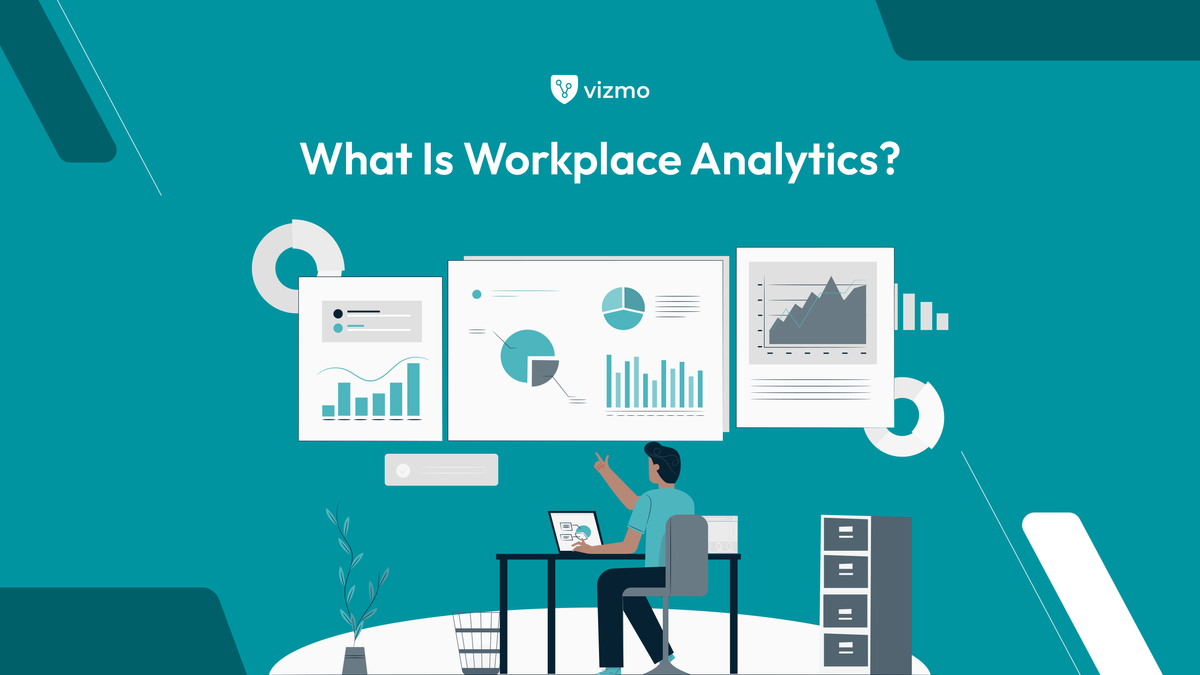
What is Workplace Analytics?

Ever wondered how companies measure and optimize their workplace efficiency in today's evolving business landscape? Workplace analytics, a data-driven approach to understanding employee work patterns and organizational performance, has become increasingly vital for modern businesses. And the numbers tell a compelling story – the workplace analytics market, valued at $1.89 billion in 2023, is set to soar to $6.42 billion by 2033, according to Persistence Market Research. In an era where remote and hybrid work models are the norm, workplace analytics benefits for hybrid workplaces are transformative. From optimizing meeting room usage to understanding trends in resource allocation, workplace analytics serves as a cornerstone for improving both efficiency and the overall workplace experience.
In this comprehensive guide, we'll dive deep into understanding workplace analytics, exploring what is workplace analytics, why it matters, and how it can revolutionize your organization's performance. Whether you're a business leader looking to optimize operations or an HR professional seeking to enhance employee experience, this blog post will equip you with valuable insights and practical solutions to harness the power of workplace analytics in your organization.
What is Workplace Analytics?
Workplace analytics is the systematic collection and analysis of data about how people work, collaborate, and utilize office spaces. As per Gartner, 90% of companies view data and analytics as essential to their business strategy and overall success. Think of it as your organization's fitness tracker – just as a fitness device monitors your physical activity and health metrics, workplace analytics tools gather and analyze data about your company's operational patterns and employee behaviors.
At its core, workplace analytics involves gathering data from various sources, such as employee feedback, time management tools, and space occupancy sensors. This data is then analyzed to uncover patterns, identify trends, and pinpoint areas that require improvement. With workplace management software, this process becomes seamless, empowering businesses to enhance productivity, streamline operations, and create a more efficient and adaptable workplace environment. For example, organizations can evaluate how employees spend their time, measure collaboration effectiveness, and determine whether office spaces are being used efficiently.
Key areas covered by workplace analytics include:
- Employee Productivity: Understanding how employees manage tasks and time to enhance efficiency.
- Engagement: Measuring employee satisfaction and identifying factors that drive motivation.
- Space Utilization: Analyzing how physical workspaces are used to create cost-effective and functional environments.
- Resource Management: Evaluating the allocation and usage of resources, such as technology, tools, and budgets, to ensure they are effectively supporting organizational goals.
Modern workplace analytics platforms combine these insights with machine learning algorithms to identify workplace management trends, predict future needs, and recommend optimizations. This data-driven approach helps organizations:
- Make informed decisions about office space design
- Optimize resource allocation
- Enhance employee experience
- Reduce operational costs
- Support sustainable workplace practices
In today's data-driven world, workplace analytics is a valuable tool for fostering a more productive and employee-focused work environment while ensuring that resources are allocated effectively.
Why is Workplace Analytics Important?
In today's rapidly evolving business landscape, workplace analytics has become an indispensable tool for modern organizations. Moreover, according to a report, nearly 90% of enterprise businesses acknowledge that data is becoming increasingly crucial to their overall operations and strategy. By transforming raw workplace data into actionable insights, analytics empowers organizations to make informed decisions that drive efficiency, enhance employee experience, and optimize operational costs.
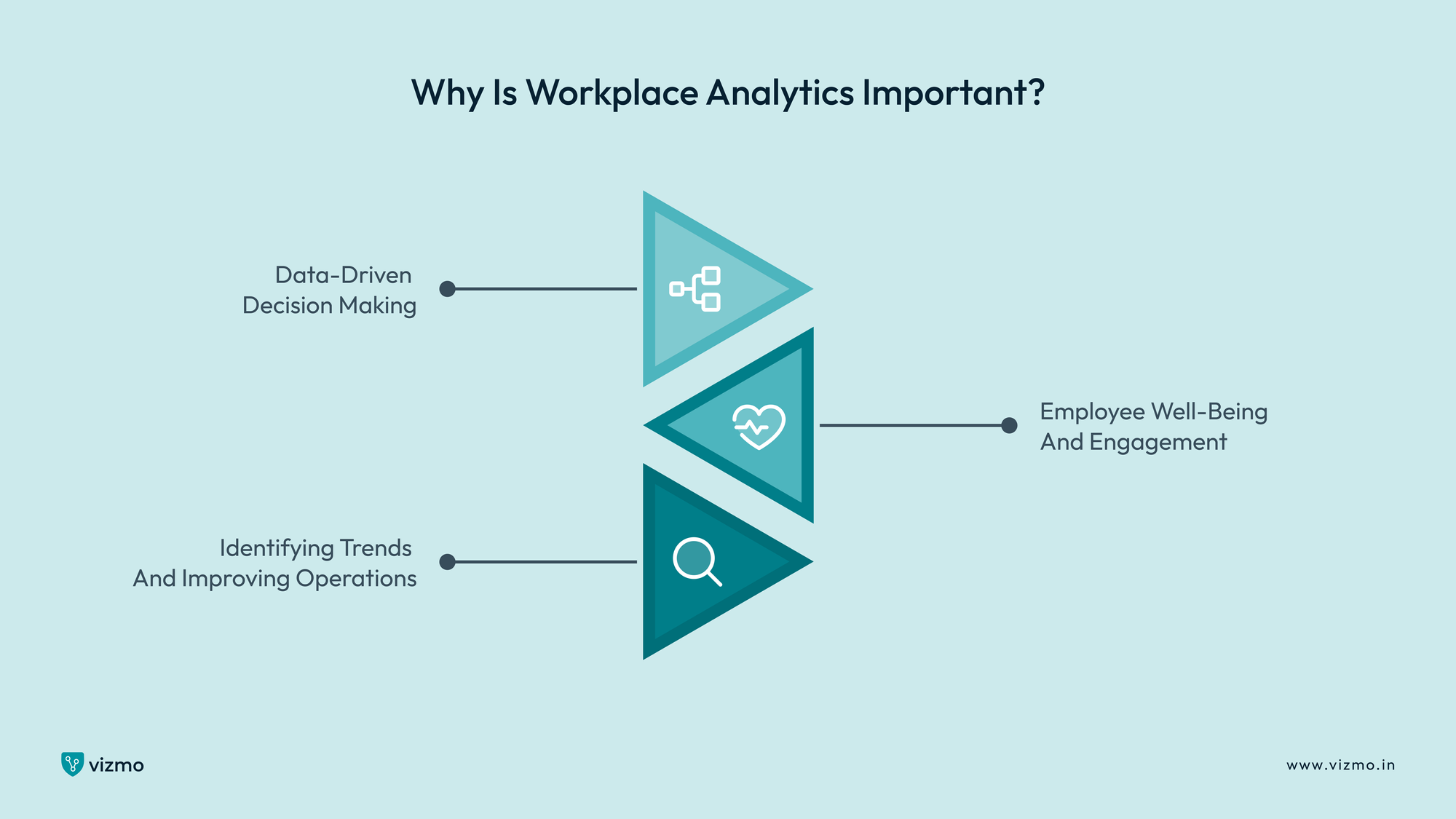
1. Data-Driven Decision Making
Gone are the days of relying solely on intuition and experience. Workplace Analytics provides organizations with concrete data to support strategic decisions. According to research, over 40% of companies around the world are utilizing data analytics, and a growing number are seeing substantial benefits as a result. Whether determining office space requirements, allocating resources, or planning workforce schedules, analytics offers insight into workplace patterns and behaviors. This empirical approach helps leadership teams validate their strategies and more accurately anticipate future needs.
2. Identifying Trends and Improving Operations
Workplace analytics excels at uncovering patterns that might otherwise go unnoticed. By analyzing data over time, organizations can identify peak usage periods, understand collaboration patterns, and spot inefficiencies in resource allocation. These insights enable companies to streamline operations, reduce wastage, and optimize workspace utilization, all of which are crucial components of an effective workplace strategy. For instance, analytics might reveal that certain meeting rooms are consistently underutilized, while others are frequently overbooked, allowing for better space management decisions.
3. Employee Well-being and Engagement
Perhaps most importantly, workplace analytics plays a crucial role in understanding and improving employee experience. By monitoring patterns in space usage, collaboration, and work habits, organizations can create environments that better support their workforce. Analytics can help identify:
- Work patterns that may lead to burnout
- Opportunities to enhance team collaboration
- Areas where additional support or resources are needed
- Factors affecting employee satisfaction and productivity
When leveraged effectively, workplace analytics becomes a powerful tool for:
- Reducing operational costs through optimized resource allocation
- Improving space utilization and workplace design
- Enhancing employee productivity and satisfaction
- Supporting sustainable workplace practices
- Making informed decisions about hybrid work policies
By providing clear, data-backed insights into workplace dynamics, analytics helps organizations create more efficient, employee-centric environments that drive both productivity and satisfaction. In an era where workplace effectiveness can make or break organizational success, the importance of workplace analytics cannot be overstated.
Types of Workplace Analytics
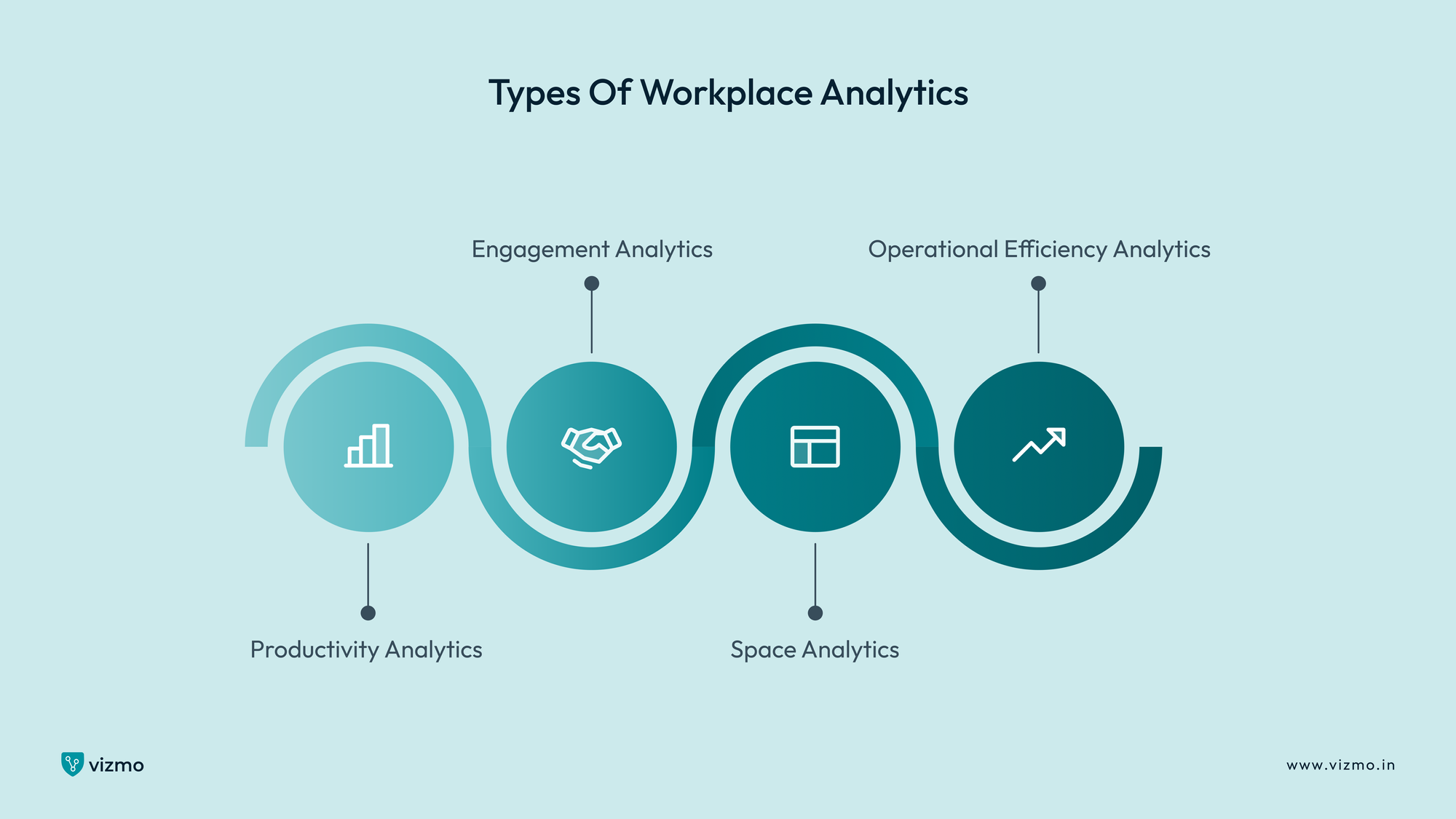
Understanding the different types of workplace analytics helps organizations leverage the right data for their specific needs. Each type offers unique insights that, when combined, provide a comprehensive view of workplace performance and efficiency.
1. Productivity Analytics
Productivity analytics examines how work gets done within your organization. This type of analytics tracks and analyzes:
- Task completion rates and patterns
- Time spent on different activities
- Project timelines and milestones
- Individual and team output metrics
- Application and tool usage patterns
These insights help organizations understand workflow efficiency, identify bottlenecks, and optimize work processes for better results. For instance, productivity analytics might reveal that certain teams are most effective during specific hours or that particular tools significantly impact work completion rates.
2. Engagement Analytics
Engagement analytics focuses on how employees interact with their work environment and each other. It monitors:
- Meeting frequency and attendance patterns
- Communication channel preferences
- Collaboration patterns between teams
- Employee feedback and sentiment
- Social network analysis within the organization
This data helps organizations foster better collaboration, improve team dynamics, and create more engaging work environments. Organizations can use these insights to design better team structures and implement more effective communication strategies.
3. Space Analytics
Space analytics examines how physical workplace resources are utilized. It tracks:
- Desk and meeting room occupancy rates
- Peak usage times and patterns
- Traffic flow through different areas
- Space utilization efficiency
- Environmental conditions
These insights enable organizations to optimize their real estate investments, design more effective workspaces, and ensure resources are allocated efficiently. Space analytics can help determine whether an office needs more meeting rooms, quiet spaces, or collaborative areas.
4. Operational Efficiency Analytics
Operational efficiency analytics focuses on the broader aspects of workplace operations. It monitors:
- Resource consumption patterns
- Equipment and facility usage
- Maintenance scheduling and effectiveness
- Supply chain and inventory management
- Cost per square foot metrics
This data helps organizations streamline operations, reduce waste, and optimize resource allocation. For example, operational analytics might reveal opportunities to reduce energy consumption or improve maintenance scheduling.
Each type of workplace analytics serves a specific purpose while complementing the others. When used together, they provide organizations with:
- A holistic view of workplace performance
- Data-driven insights for decision-making
- Clear metrics for measuring improvement
- Actionable recommendations for optimization
- Predictive insights for future planning
By understanding and utilizing these different types of analytics, organizations can create more efficient, productive, and employee-friendly workplaces that drive business success.
Benefits of Workplace Analytics
Implementing workplace analytics brings numerous advantages that extend far beyond basic data collection. Let's explore how this powerful tool transforms workplace operations and drives organizational success.
1. Enhanced Productivity and Performance
Workplace analytics provides deep insights into how work gets done, helping organizations optimize their operations. Through comprehensive data analysis, organizations can identify peak productivity periods and patterns, highlight successful collaboration methods, and reveal workflow bottlenecks. By leveraging these insights, organizations can implement ideas to improve workplace efficiency, such as streamlining meeting efficiency and optimizing resource allocation for maximum output. The system helps streamline meeting efficiency while optimizing resource allocation for maximum output, ensuring every aspect of work is functioning at its best.
2. Smarter Space Utilization
One of the most tangible benefits of workplace analytics is its impact on space management. A recent study by Density revealed that 71% of office spaces could potentially support up to four times their current usage. Organizations can significantly reduce real estate costs by identifying underutilized areas and optimizing meeting room booking and usage. The data supports flexible seating arrangements and improves workplace design based on actual usage patterns, enabling data-driven decisions about office expansion or downsizing.
3. Employee Well-being and Engagement
Analytics plays a crucial role in maintaining a healthy work environment. The system detects early signs of employee burnout through work pattern analysis and identifies teams that may need additional support or resources. It measures the effectiveness of wellness initiatives, tracks engagement levels across different departments, and helps create more balanced workload distributions, ensuring employee well-being remains a priority.
4. Financial Optimization
The financial benefits of workplace analytics are substantial and far-reaching. Organizations can reduce operational costs through better resource management and minimize energy waste by monitoring usage patterns. The system helps optimize technology investments based on actual usage, decrease maintenance costs through predictive scheduling, and improve budget allocation with data-driven insights.
5. Strategic Decision Making
Analytics empowers leadership teams with valuable insights for better decision-making. It provides real-time data for informed decisions and predictive insights for future planning. Approximately 25% of organizations base nearly all of their strategic decisions on data, while 44% rely on data for the majority of their decisions. Leaders gain access to clear metrics for measuring success and an evidence-based approach to workplace strategies, leading to a better understanding of ROI on workplace initiatives.
6. Risk Management and Compliance
Workplace analytics helps organizations maintain a secure and compliant environment. It ensures compliance with occupancy regulations while monitoring security and access patterns. The system tracks safety protocol adherence, identifies potential workplace hazards, and maintains appropriate documentation, creating a safer workplace for everyone.
By leveraging these benefits, organizations can create more efficient, productive, and employee-friendly workplaces while optimizing operational costs. The insights gained through workplace analytics improve current operations and help shape future workplace strategies that drive long-term success.
Who Uses Workforce Analytics?
Workplace analytics provides valuable insights across all organizational levels, empowering different stakeholders to make data-driven decisions and improve workplace efficiency. Forbes reported that 73.5% of managers and executives at data-driven companies worldwide stated that their decision-making processes are consistently driven by data.
Let's explore how each group utilizes and benefits from these powerful tools.
1. Executive Leadership
Senior leaders and C-suite executives use workplace analytics to drive strategic planning and resource allocation. They rely on comprehensive data to evaluate workplace performance, measure ROI on facilities investments, and make informed decisions about real estate and technology spending. Through analytics, executives can better understand organizational patterns, optimize operational costs, and align workplace strategies with business objectives.
2. Human Resources Professionals
HR teams leverage workplace analytics to enhance employee experience and optimize workforce management. They analyze patterns in engagement, space utilization, and collaboration to develop effective workplace policies. This data-driven approach helps them identify early signs of burnout, monitor team dynamics, and create targeted interventions for improving employee well-being. HR professionals also use these insights to measure the success of workplace programs and make informed decisions about future initiatives.
3. Department Managers
Team leaders and managers utilize workplace analytics for day-to-day operational excellence. They focus on metrics that reveal team productivity trends, collaboration patterns, and resource utilization. This information helps them optimize workload distribution, improve meeting efficiency, and create more effective team environments. Managers can also identify potential workflow bottlenecks and make data-backed decisions about team resources and space requirements.
4. Individual Employees
While employees may not directly access analytics tools, they benefit significantly from the insights these systems provide. They receive practical recommendations about workspace availability, meeting room bookings, and optimal collaboration times. This information helps them make better decisions about when and where to work, leading to improved productivity and work-life balance. Employees also gain insights into their work patterns, helping them optimize their own performance and workplace experience.
Through this multi-level approach, workplace analytics creates a more efficient, productive, and employee-centric work environment. By providing relevant insights to each user group, organizations can better optimize their workplace operations and support their workforce's success.
What to Look for in a Workplace Analytics Platform?
When selecting a workplace analytics platform, organizations need to consider several crucial features that ensure both effectiveness and security. Here's what to prioritize in your search for the right solution.
1. Essential Features and Capabilities
A robust workplace analytics platform should offer comprehensive data collection and analysis capabilities. Look for systems that provide real-time reporting, advanced visualization tools, and predictive analytics features. The platform should seamlessly integrate with your existing workplace management systems, including HR software, building management systems, and collaboration tools. Most importantly, ensure the solution offers customizable dashboards that can be tailored to different user groups' needs.
2. Data Security and Privacy
In today's data-driven world, security cannot be an afterthought. Your chosen platform must implement strong data encryption, both in transit and at rest. Look for solutions that offer role-based access controls, allowing you to manage who sees what information. The platform should also maintain detailed audit trails and comply with international data protection regulations like GDPR. Regular security updates and clear data handling policies are essential features.
3. User Experience and Accessibility
The best analytics platform is one that people actually use. Prioritize solutions with intuitive interfaces that require minimal training. Users should be able to easily access insights, generate reports, and customize their views based on their roles and responsibilities. Mobile accessibility is increasingly important, allowing users to access data and insights on the go. Look for platforms that offer clear data visualization and simple navigation.
4. Integration and Scalability
Your workplace analytics platform should grow with your organization. Consider solutions that offer:
- Flexible API connectivity for third-party integrations like a visitor management system
- Scalable infrastructure to handle growing data volumes
- Regular feature updates and platform improvements
- Support for multiple locations and departments
- Easy addition of new users and modules
5. Compliance and Reporting
The platform should help maintain workplace compliance with regulations and industry standards. Look for features that support:
- Automated compliance reporting
- Data retention policies
- Privacy impact assessments
- Regular compliance audits
- Industry-specific regulatory requirements
6. Support and Training
Finally, consider the level of support offered by the platform provider. Ensure they provide:
- Comprehensive onboarding and training
- Responsive technical support
- Regular system updates
- Documentation and resources
- Strategic implementation guidance
When evaluating workplace analytics platforms, prioritize solutions that combine these essential features while meeting your organization's specific needs. The right platform will help you transform workplace data into actionable insights that drive better decision-making and improved operational efficiency.
Best Workplace Analytics Platform
When it comes to workplace analytics, the Vizmo Workplace Analytics Platform stands out as the ultimate solution for enhancing office efficiency and productivity. Designed with modern workplaces in mind, Vizmo provides a comprehensive set of tools to help organizations make data-driven decisions and create a streamlined work environment.
Unique Features of Vizmo Workplace Analytics
1. Meeting Room Analytics: With Vizmo's Meeting Room Management system, you can track room usage, analyze occupancy patterns, and optimize meeting schedules. This ensures that every meeting space is utilized effectively, reducing scheduling conflicts and maximizing collaboration opportunities.
2. Hot Desking Insights: Vizmo's hot desking analytics provides valuable data on desk usage, helping companies manage hybrid work models with ease. By identifying peak usage times and underutilized areas, you can save on real estate costs and create a more flexible workspace.
3. Real-Time Data Tracking: Vizmo offers real-time tracking of workplace metrics, from space utilization to employee activity. This allows businesses to monitor trends and make quick adjustments to improve workflow and resource allocation.
4. Customizable Dashboards: The platform features easy-to-use, customizable dashboards that provide visual insights into key performance indicators. Whether you're analyzing space usage or tracking visitor data, Vizmo makes it simple to get actionable insights at a glance.
5. Integration with Visitor Management: Vizmo seamlessly integrates with its Visitor Management System (VMS) to offer a holistic approach to workplace efficiency. By combining visitor data with space and resource analytics, companies can enhance security and improve the overall visitor experience.

Final Thoughts
Workplace analytics is revolutionizing how modern organizations approach efficiency, productivity, and resource management. By leveraging data insights, businesses can uncover actionable patterns, streamline operations, and make informed decisions that benefit employees and the organization alike. From tracking meeting room usage and optimizing desk space to enhancing employee engagement and securing sensitive data, workplace analytics plays a pivotal role in shaping the future-ready office.
To get started, consider evaluating your current workplace setup and identifying areas where analytics could provide meaningful insights. Research potential solutions that align with your needs and long-term goals, and don’t hesitate to explore platforms like Vizmo Workplace Analytics for a tailored approach to modern workplace management.
Visit Vizmo to learn more about how Vizmo’s solutions can help your organization enhance efficiency and stay ahead of the curve. Book a demo today and take the first step towards a smarter, more data-driven workplace!
FAQs
1. Does the workplace analytics software integrate with third-party applications?
Yes, most workplace analytics software, including Vizmo, integrates seamlessly with third-party applications.
These integrations allow you to connect tools like meeting room scheduling apps, visitor management systems, HR platforms, and more. By centralizing data from various sources, the software provides a holistic view of workplace operations, enabling better decision-making. This ensures that your existing tools work in harmony, enhancing overall efficiency without the need for drastic changes to your current setup.
2. Can workplace analytics software scale with your business needs? Yes, workplace analytics software is designed to scale alongside your business growth.
As your organization expands, you may add more employees, acquire larger office spaces, or adopt new hybrid work models. Workplace analytics platforms can accommodate these changes by providing insights tailored to your evolving needs. Features like advanced reporting, additional user licenses, and multi-location support ensure that the software continues to deliver value, no matter how big or complex your organization becomes.