What is Workplace Security?

Workplace security encompasses all measures and protocols designed to protect an organization's assets, people, and information from potential threats. Highlighting the importance of security in the workplace, it’s no longer just about installing a few cameras or hiring a security guard. In today’s rapidly evolving corporate landscape, the focus has shifted to integrating both physical and digital security measures, creating comprehensive protection systems that adapt to emerging challenges.
The statistics tell a compelling story. According to a report by Legal Service India, workplace violence cases increased by 54%, rising from 371 in 2014 to 570 in 2017. On the cyber security front, the landscape is even more concerning - IBM's Cost of a Data Breach Report 2023 revealed that the average cost of a data breach reached a staggering $4.45 million, a 15% increase over three years.
Modern organizations are responding to these challenges by implementing sophisticated security solutions. The concept of workplace security has evolved into a multi-layered approach that includes:
- Physical security measures (access control systems, security personnel, surveillance)
- Digital security protocols (cybersecurity measures, data protection)
- Emergency response plans
- Employee safety training and awareness programs
As we navigate an increasingly complex threat landscape, organizations must stay ahead of emerging security challenges while maintaining a balance between safety and workplace accessibility. The key lies in implementing smart, integrated security solutions that protect without disrupting the flow of legitimate business activities.
In the following sections, we'll explore what is workplace security, practical workplace security tips, and emerging trends that are reshaping how we think about and implement security measures in modern workplaces. Let’s get started.
What is Workplace Security?
Remember when workplace security meant having a guard at the front desk and a few security cameras? Those days are long gone. Today's workplace security is a sophisticated symphony of physical safeguards and digital fortifications, all working in harmony to protect what matters most - your people, property, and data.

But what exactly constitutes workplace security in 2025? At its core, workplace security refers to all the strategies, protocols, and systems implemented to protect an organization's employees, assets, and information from potential threats. Small and medium-sized businesses (SMBs) face serious risks, losing an average of $25,000 due to various security breaches. In 2020, over 700,000 attacks on small businesses resulted in $2.8 billion in damages, underscoring the urgent need for comprehensive security measures in today's business landscape.
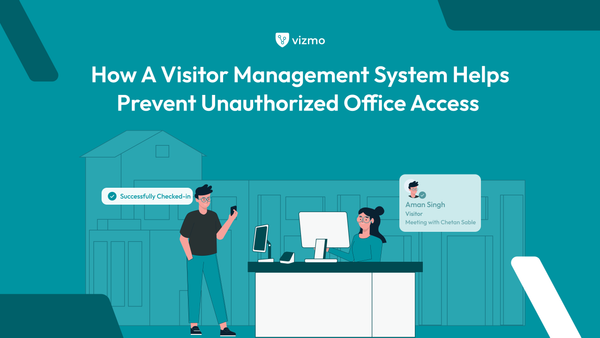
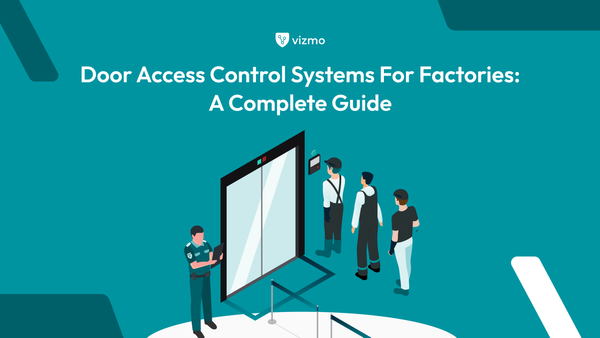
Physical security is the first layer of protection in any workplace. A report estimates that the average cost of dealing with a physical security breach is around $100,000, highlighting the significant financial impact physical incidents can have. It includes visible, hands-on measures like access control systems, which have come a long way from basic locks and keys. Modern systems now use biometric scanners that can verify identities in milliseconds. Smart visitor management systems work with these controls, automatically screening visitors and keeping digital records of everyone entering or leaving.
Digital security is equally important for safeguarding your organization's online assets. With IBM reporting that the average cost of a mega-breach involving 50 to 60 million records has risen to $375 million in 2024, a $43 million increase from 2023, companies are taking significant steps to strengthen their defenses. Businesses are using tools like multi-factor authentication, encrypted communication, and advanced firewalls to block millions of threats every day.
Emergency protocols tie these security elements together. Modern workplaces implement comprehensive emergency response plans that account for various scenarios - from natural disasters to security breaches. These plans typically include evacuation procedures, emergency communication systems, and coordination with local law enforcement. According to OSHA statistics, workplaces with well-implemented emergency protocols respond more effectively to security incidents.
Common security measures you'll find in today's modern workplaces include:
- Smart ID badges that integrate with building management systems
- High-definition CCTV networks with facial recognition capabilities
- Visitor management systems that perform instant background checks
- Secure server rooms with environmental monitoring
- Regular security audits and employee training programs
The essence of modern workplace security lies in how seamlessly these elements work together. Modern workplace security is increasingly about integration. Physical and digital security systems no longer operate in isolation. The key to effective workplace security lies not just in implementing these various measures, but in ensuring they work together seamlessly. It's about creating layers of protection that complement each other while remaining user-friendly enough to not impede daily operations.
Understanding workplace security means recognizing it as an evolving ecosystem rather than a static set of rules. As threats become more sophisticated, security measures must adapt and improve. Organizations that view security as an investment rather than an expense are better positioned to protect their most valuable assets - their people, property, and data.
9 Workplace Security Tips in 2025
Let's dive into some powerful strategies that can elevate your workplace security from good to exceptional. Whether you're starting fresh or looking to enhance existing measures, these workplace security tips will help create a more secure environment for your organization.
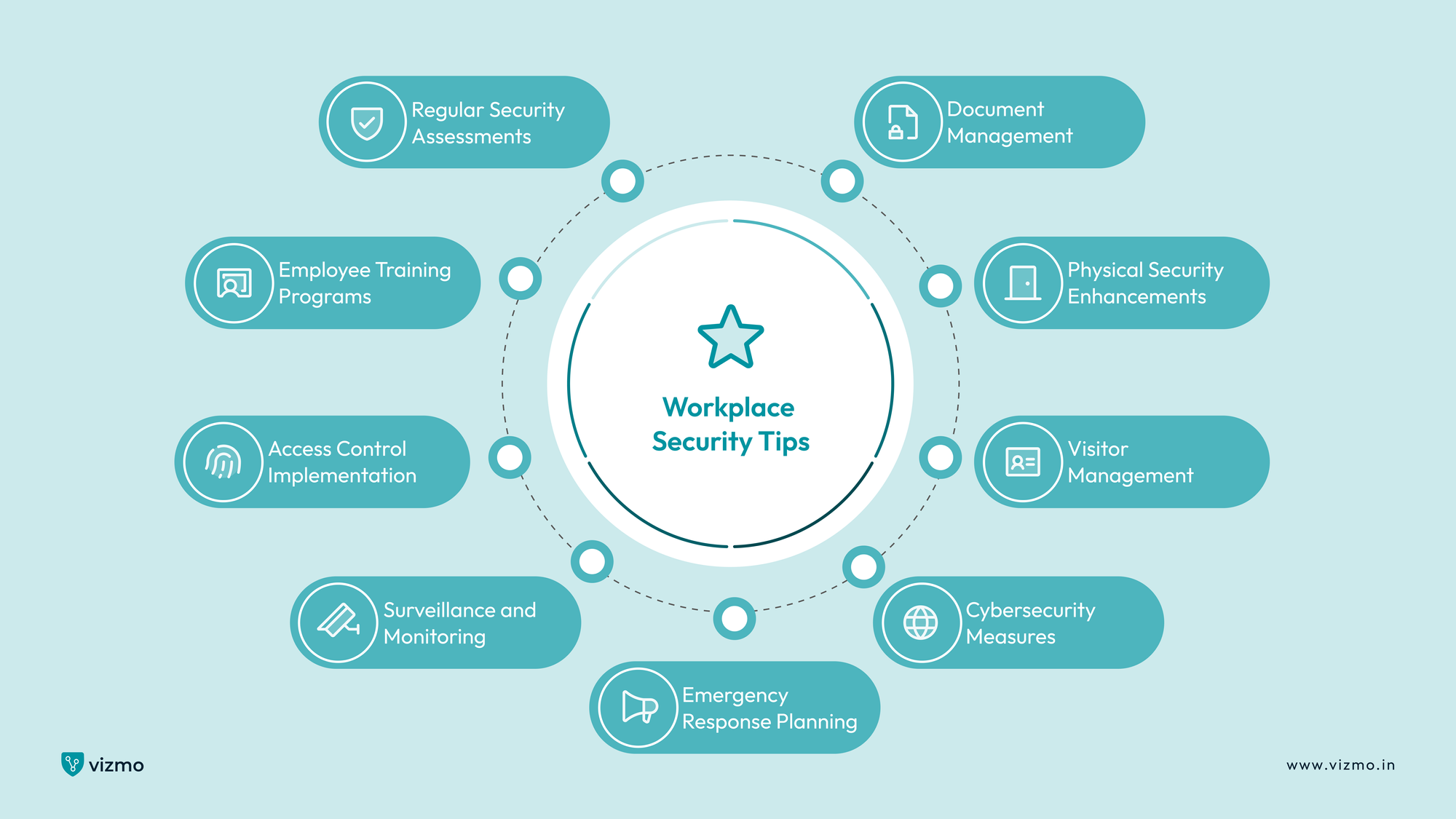
1. Regular Security Assessments
Security isn't a set-and-forget system - it requires constant evaluation and updates. Schedule comprehensive security audits every quarter to identify potential vulnerabilities. According to security experts, organizations conducting regular assessments are 63% more likely to prevent security breaches. Document findings, track improvements, and update security protocols based on these assessments. Remember to inspect all security equipment, from cameras to door locks, ensuring everything functions optimally.
2. Employee Training Programs
Your team is your first line of defense. Institute regular security awareness training sessions covering both physical and digital security protocols. Make these sessions engaging and interactive with real-world scenarios and role-playing exercises. Training should encompass proper visitor handling procedures, emergency response protocols, cybersecurity best practices, and methods for identifying and reporting suspicious activities. A study by IBM suggests that organizations with comprehensive employee training programs experience 50% fewer security incidents annually.
3. Access Control Implementation
Modern access control is about creating layers of security without impeding workflow. Smart card systems can be configured with different access levels based on job roles, while biometric scanners provide enhanced security for sensitive areas. Digital visitor management systems that integrate with your security network create a seamless experience while maintaining strict control. Automated logging systems track entry and exit times, providing valuable data for security audits. A recent case study shows that using an automated access control system reduced wait times by 85%, allowing access in just 2 seconds.
4. Surveillance and Monitoring
Today's surveillance goes beyond basic CCTV. AI-powered cameras with motion detection and facial recognition capabilities provide proactive security measures. 24/7 monitoring systems with mobile alerts ensure immediate response to potential threats. Integration with access control systems creates a comprehensive security network, while regular backup of surveillance footage maintains accurate records. Gartner predicts that by 2025, AI will handle more than 75% of all security tasks in real time, highlighting its increasing role in the field.

5. Emergency Response Planning
A well-structured emergency response plan can mean the difference between chaos and controlled management during a crisis. Your plan should outline clear evacuation routes and assembly points, establish emergency communication protocols, and maintain updated contact information for emergency services. Regular drills help familiarize employees with procedures and identify areas for improvement.
6. Cybersecurity Measures
Digital security requires multi-factor authentication, regular password updates, and secure Wi-Fi networks with separate guest access. Data encryption protocols protect sensitive information, while regular software updates and patch management prevent vulnerabilities. A 2022 study by IBM found that companies leveraging AI for predictive security analytics cut data breach costs by nearly 27%, showcasing its effectiveness.
7. Visitor Management
Modern visitor management transforms from a simple sign-in sheet to a comprehensive security tool. Digital check-in systems with photo capture, automatic background checks, and temporary access badge printing create a professional and secure entry process. Host notification systems ensure accountability and tracking of all visitors within the premises.
8. Physical Security Enhancements
Strong physical security starts with well-lit parking areas and entrances, complemented by clear signage indicating restricted areas. Strategic placement of security personnel at key points enhances surveillance and response capabilities. Secure storage solutions for sensitive materials complete the physical security framework. Proper physical security measures can deter up to 67% of potential security incidents.
9. Document Management
Protecting sensitive information requires a clear document classification system and secure disposal methods. Digital document tracking and access logs for confidential materials ensure accountability. Regular audits of document handling procedures help maintain security standards.
Remember, the most effective security measures are those that your team can easily understand and follow. Regular updates and feedback from employees can help fine-tune these protocols to match your specific workplace needs while maintaining a balance between security and operational efficiency.
Implementing these tips doesn't have to happen all at once - start with the most critical areas and gradually build up your security infrastructure. A detailed workplace security checklist can help streamline the process and ensure all your efforts combine to create a strong and cohesive security system. The key is to maintain consistency and ensure all measures work together seamlessly to create a comprehensive security shield for your workplace.
Workplace Security Trends to Follow in 2025
As we move through 2025, workplace security continues to evolve at an unprecedented pace. Let's explore the cutting-edge trends reshaping how organizations approach security in the modern workplace.
1. AI-Led Security Solutions
Artificial Intelligence is revolutionizing workplace security monitoring and response. Advanced AI systems now analyze surveillance footage on the spot, detecting unusual behavior patterns and potential security threats before they escalate. These systems integrate seamlessly with smart workplace management solutions, including hot desking applications that ensure secure and efficient space utilization while maintaining security protocols.
2. Biometric Integration
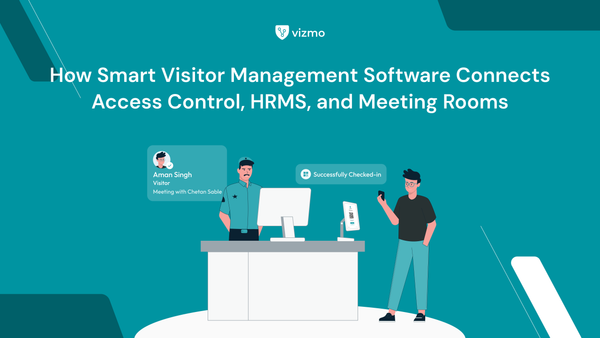
Biometric security has moved beyond simple fingerprint scanning. Modern systems now incorporate facial recognition, retinal scans, and even gait analysis. Organizations are increasingly integrating these technologies with visitor management and meeting room booking systems, creating a unified security ecosystem. For instance, when an employee books a meeting room through an app, the system automatically updates access controls and security protocols for that space.
3. Employee Wellness
The definition of workplace security has expanded to include psychological safety. Organizations are implementing sophisticated threat assessment programs that consider both physical and psychological indicators of potential security risks. Mental health support systems are being integrated with security protocols, creating a more holistic approach to workplace safety.
4. Hybrid Work-Security
The rise of hybrid work environments has transformed traditional security strategies, leading to the adoption of smart workplace solutions. Tools like hot desking systems and digital workspace booking platforms now integrate advanced security features. Along with managing space allocation, these systems leverage workplace analytics to track occupancy patterns and maintain detailed security logs.
5. Digital Workspace Management
Modern workplace management platforms have become central to security operations. These systems coordinate hot desking arrangements, meeting room bookings, and visitor access while maintaining security protocols. Advanced platforms can automatically adjust cleaning schedules based on space usage, manage contact tracing if needed, and ensure that sensitive areas remain secure even in flexible working environments.
6. Regulatory Compliance Evolution
Security compliance has become increasingly complex with new regulations emerging globally. Organizations are adopting automated compliance monitoring systems that track and document security measures quickly and accurately on the spot. These systems not only help maintain compliance with evolving standards but also align with a well-defined workplace security policy, providing detailed audit trails to ensure accountability and adherence. A study by the Global Cyber Alliance shows that cybersecurity compliance is closely linked to fewer cyber attacks. Organizations with compliance controls reduced their cyber risk by almost 50%.
7. Internet of Things (IoT) Security
The proliferation of IoT devices in workplaces has created new security challenges and opportunities. Smart buildings now integrate everything from environmental controls to occupancy monitoring through interconnected sensors. However, this connectivity requires robust security measures. Organizations are implementing dedicated IoT security platforms that monitor and protect these devices, with the IoT security market expected to reach $56 billion by 2029.
8. Environmental Security Integration
Climate-related security concerns are driving the adoption of integrated environmental monitoring systems. These solutions combine traditional security measures with environmental sensors to protect against both human and natural threats. Advanced systems can now predict and respond to environmental hazards while maintaining standard security protocols.
9. Data Privacy Enhancement
With data breaches becoming increasingly costly, organizations are implementing advanced data privacy measures. Zero-knowledge-proof systems and homomorphic encryption are being adopted to protect sensitive information while maintaining functionality. The average cost of a data breach has reached $4.45 million, driving investments in these advanced privacy technologies. Organizations are also implementing privacy-by-design principles in their security architectures.
10. Contactless Security Measures
The pandemic has accelerated the adoption of contactless security technologies. From gesture-controlled access points to voice-activated security systems, organizations are implementing solutions that minimize physical contact while maintaining security integrity.
11. Security Automation
Automated security orchestration has become a cornerstone of modern workplace security. The global security automation market was valued at USD 8.9 billion in 2023 and is projected to grow at a 13.4% annual rate from 2023 to 2028. These systems can automatically adjust security protocols based on threat levels, time of day, and occupancy patterns, creating a more dynamic and responsive security environment.
12. Cloud-Based Security Integration
Storage of security data has evolved dramatically with cloud solutions. Organizations can now maintain years of surveillance footage, access logs, and security incident reports without significant on-premise infrastructure. The integration of cloud storage with workplace management systems means that security footage, access records, hot desk bookings, and visitor logs are all seamlessly connected and instantly accessible to authorized personnel. Gartner predicts that by 2026, over 75% of workplace security systems will be cloud-based, integrating physical security, cybersecurity, and workplace management into unified, easily manageable platforms.
These trends reflect a fundamental shift towards more intelligent, integrated, and human-centric security solutions. As we continue through 2025 and beyond, organizations that embrace these emerging technologies while maintaining a balance between security and usability will be best positioned to protect their assets and people.
Final Thoughts
As we wrap up our comprehensive look at workplace security, one thing becomes clear- security isn't just about protecting physical assets or digital data - it's about creating an environment where employees feel safe, valued, and empowered to do their best work. Modern workplace security is a dynamic balance of physical safeguards, digital protections, and human awareness. From AI-powered surveillance systems to advanced visitor management platforms, from mental health considerations to hybrid work security protocols - each element plays a crucial role in creating a comprehensive security ecosystem.
Looking ahead, the importance of workplace security will only grow. As threats evolve and work environments become more complex, staying ahead of security challenges becomes increasingly critical. Organizations that invest in proactive security measures today are better positioned to face the challenges of tomorrow.
The path to enhanced workplace security doesn't have to be overwhelming. Start by assessing your current security landscape, identifying priority areas for improvement, and gradually building a robust security framework that aligns with your organization's unique needs and culture. Consider working with security experts who can guide you through this process and help implement solutions that grow with your organization.
Book a demo with Vizmo today and discover how our integrated security solutions can help create a safer, more productive workplace for your team. Our experts are ready to guide you through the latest security innovations and help you build a customized security strategy that works for your organization.