What is Compliance in the Workplace?


In today's data-driven world, where data privacy, governance, and regulation are of the utmost importance, having compliance at the workplace is a must. Workplace compliance is essential to improving the ethical and legal framework within an organization. It is a set of rules and regulations that an organization adheres to in accordance with its internal corporate policies or in accordance with laws, regulations, and standards set by different governing agencies, industry associations, etc. Maintaining a lawful workplace has many benefits, which organizations can reap.
A study by SHRM Global Culture Research Report 2022, conducted across 12 countries, found that organizations with strong ethical cultures experienced 14 times greater financial performance than those with weak ones. As a result, strengthening workplace compliance improves an organization's workplace culture, creating a pleasant work environment for its employees. But what is compliance in the workplace? What does it mean? What are its key components? In this article, we’ve discussed the definition, scope, significance, and types of workplace compliance in order to gain a bird's-eye view of what compliance entails.

What is Compliance in the Workplace?

Compliance in the workplace comprises a body of rules, regulations, and standards set by governing agencies to ensure a lawful and ethical work environment. It implies conforming to the regulatory frameworks set by either the internal organization, which we call “corporate compliance,” or the regulatory standards set by external agencies. Those are called regulatory compliances. But it would be a mistake to think compliance is just a mere set of rules and regulations. It goes beyond just obeying laws; it involves fostering a work culture of integrity, responsibility, and accountability within an organization. It’s an integral part of any organization’s operational strategy. Workplace compliance functions as a watchdog, defending employees' rights, securing sensitive data through laws governing data protection and ethical codes of conduct, and ensuring a level playing field for all stakeholders.
Companies that prioritize compliance often observe improvements in KPIs, resulting in lower turnover rates, more productivity, and better overall performance.
The Legal Framework of Workplace
No matter the sector in which your business operates, the size of your organization, or the type of business you run, adherence to workplace regulations is a crucial aspect of operating a successful and profitable enterprise. Establishing a strong legal structure is essential for creating a just and equitable work environment for all staff members. This encompasses various aspects, ranging from employment contracts to anti-discrimination laws. Having a comprehensive grasp of the legal landscape in the workplace is not only important but necessary for both employers and employees.
Implementing a robust compliance framework can be highly advantageous for CEOs and company leaders. It not only minimizes the chances of legal complications and potential penalties but also nurtures a culture of honesty and an ethical code of conduct within the company. This can result in high employee satisfaction and efficiency, ultimately propelling business expansion. Moreover, an effective compliance strategy can boost the organization's standing with stakeholders, rendering it more appealing to investors, collaborators, and customers. In the long term, allocating resources to workplace compliance represents a strategic decision that can yield substantial dividends and contribute to the overall success of the organization.
Compliance with workplace laws is not just a legal requirement but also a moral obligation to create a harmonious work environment.
Let's have a look at the various types of regulations that are necessary for maintaining a healthy and productive workplace environment:
Employment Laws
1. Termination laws
In India, employers are required to follow particular procedures when terminating an employee to prevent any claims of wrongful termination. Such procedures are put in place to protect the rights of both an employer and an employee. Employers should be aware of the different laws and regulations that govern termination practices in different states in India.
The Essential Disputes Act of 1947 is crucial legislation that outlines the grounds for dismissals, notice periods, and severance-paying needs.
2. Anti-Discrimination laws
Adherence to anti-discrimination laws is critical for having an inclusive workplace, whether in India or abroad. By adhering to legislation such as the Scheduled Castes and Scheduled Tribes (Prevention of Atrocities) Act, 1989, as well as international legal frameworks such as the Universal Declaration of Human Rights (UDHR), we can ensure that everyone receives fair treatment and equal opportunities, regardless of where they come from. It's similar to how the Americans with Disabilities Act (ADA) protects differently-abled people in the US.
3. Wage and Hour Laws
Businesses must follow wage and hour laws to promote fairness in the workplace. Following laws such as the Minimum Wage Act of 1948, the Payment of Wages Act of 1936, and international regulations help to preserve standard wage and working hour regulations, promoting ethical business practices. This is analogous to the Fair Labour Standards Act (FLSA) of the United States.
Health and Safety Regulations
1. Workplace Safety
Prioritizing workplace safety is essential for ethical business practices and legal compliance, both globally and in India. Compliance with the Factories Act, 1948, and complementary regulations under the Mines Act, 1952, alongside international safety standards such as those set by the International Labour Organisation (ILO) and Occupational Safety and Health Administration (OSHA), is necessary to provide a safe working environment and prevent occupational hazards, safeguarding employee well-being universally.
2. Employee Welfare
Companies should ensure employee welfare through compliance with laws such as the Employees' State Insurance (ESI) Act of 1948 and the Workers' Compensation Act of 1923, as well as worldwide agreements such as the UDHR. Providing medical and financial benefits to employees and their families in the case of illness or disability demonstrates a commitment to their well-being and exemplifies ethical business practices internationally.

Privacy and Data Protection Laws
Companies must comply with privacy and data protection laws, particularly in India, where the Information Technology Act of 2000 plays a major role in safeguarding data. This legislation sets up the legal framework for electronic governance by protecting electronic data and regulating digital transactions. Furthermore, compliance with worldwide regulations such as the General Data Protection Regulation (GDPR) in the EU and the California Consumer Privacy Act (CCPA) in California, USA, is critical for firms operating in India to ensure the security and confidentiality of sensitive data. Implementing strong data protection procedures not only assures regulatory compliance, but also builds trust among clients and stakeholders.
Importance of Workplace Compliance
Maintaining workplace compliance is crucial for organizations to uphold ethical standards, mitigate risks, and foster trust among employees and stakeholders. According to a survey conducted by the Society for Human Resource Management, non-compliance with labor regulations can result in huge penalties, with the average penalty for wage and hour violations amounting to $173,000 per case. Furthermore, adhering to compliance requirements lowers the probability of legal issues and costly litigation, saving businesses time and money. Furthermore, a transparent and fair workplace environment improves employee satisfaction and retention, with 89% of employees saying they are more inclined to stay with a company that prioritizes transparency. Organizations that prioritize compliance not only avoid legal implications but also foster a healthy work culture conducive to long-term success.
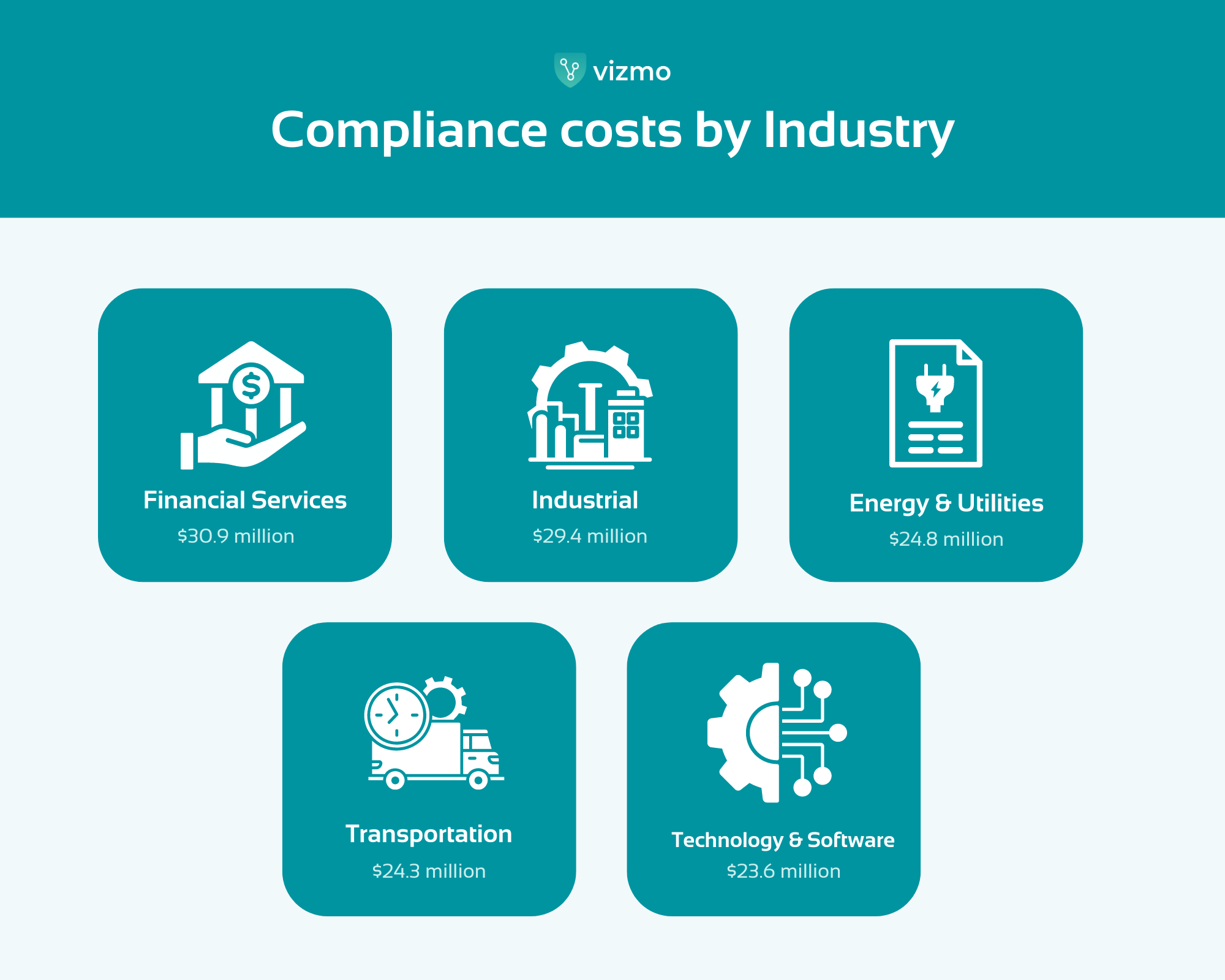
A company's continued non-compliance has a direct impact on its revenue.

Types of Workplace Compliance

Workplace compliance can be categorized into various types, such as data protection compliance, financial compliance, and regulatory compliance. Primarily, Workplace compliance are of two types: External/Regulatory Compliance and internal compliance.
Each type encompasses specific rules and guidelines that organizations must adhere to in order to operate lawfully and ethically. Let's have a look at each of the following compliance:
- Safety compliance: adhering to Occupational Safety and Health Administration (OSHA) regulations, conducting safety training, and performing regular inspections.
- Employment compliance: compliance with anti-discriminatory laws such as Title VII of the Civil Rights Act and the Americans with Disabilities Act (ADA).
- Data protection compliance: Adherence to privacy rights regulations like the General Data Protection Regulation (GDPR) and the Health Insurance Portability and Accountability Act (HIPAA).
- Ethics & integrity compliance: implementation of a code of conduct, whistleblower protection, anti-corruption measures, and policies for transparency, accountability, and ethical decision-making.
- Financial and accounting compliance: Adherence to the Sarbanes-Oxley Act's internal control standards, financial reporting requirements, and whistleblower protections.
- Tax compliance: correct withholding of employee taxes, meeting corporate tax obligations, and conducting regular audits.
- Securities compliance: compliance with Securities and Exchange Commission (SEC) regulations, implementation of insider trading policies, and disclosure of relevant financial information.
Workplace Compliance Areas

Workplace compliance encompasses a range of key areas, such as unlawful discrimination, sexual harassment, workplace safety, privacy protection, and wage and hour compliance. Addressing these areas proactively helps organizations foster an environment where employees feel safe, valued, and respected. Here's a closer look at these five key areas and how organizations can promote respect, justice, and legal adherence.
1. Unlawful Discrimination
a. Understand Equal Employment Opportunity Laws
b. Recognize and Prevent Discrimination in the Workplace
c. Handle Discrimination Complaints Effectively
2. Sexual Harassment
a. Define Sexual Harassment in the Workplace
b. Develop a Comprehensive Anti-Harassment Policy
c. Conduct Harassment Prevention Training for Employee
3. Workplace Safety
a. Ensure OSHA Compliance
b. Create a Safe Work Environment for Employees
c. Conduct Regular Safety Audits and Inspections
4. Privacy Protection
a. Understand Data Privacy Laws and Regulations
b. Handle and Protect Employee Information Securely
c. Establish Clear Policies and Procedures for Data Privacy
5. Wage and Hour Compliance
a. Understand Fair Labor Standards Act (FLSA) Regulations
b. Properly Classify Employees for Wage and Hour Purposes
c. Ensure Compliance with Overtime Pay and Minimum Wage Requirements

How To Ensure Compliance Culture in the Workplace?
Creating a compliance culture in the workplace involves implementing clear policies, conducting regular training sessions, fostering open communication, and leading by example. The following steps are essential in building a strong foundation for workplace compliance and reinforcing ethical practices within the organization.
1. Leadership Commitment:
Leadership should establish a culture of compliance from the top down. Their dedication develops a culture in which following regulations and policies is cherished.
2. Clear Policies and procedures:
Documented guidelines and procedures give staff a road map to follow. These should be easily available and frequently updated to reflect any regulatory changes.
3. Compliance Manager, Data Protection Officer, and Risk Management Officer:
Assign professionals to oversee compliance initiatives. The Compliance Manager ensures that policies are followed, the Data Protection Officer protects sensitive data, and the Risk Management Officer identifies and mitigates any potential risks
4. Leverage Technology:
Invest in technology solutions to speed up compliance processes, track adherence, and manage data securely. This increases efficiency and accuracy while lowering the risk of noncompliance.
5. Employee Training and Awareness:
Regular training sessions educate employees on compliance obligations, their roles, and the penalties of noncompliance.
Benefits of Ensuring Compliance in Workplace
Ensuring workplace compliance offers a myriad of benefits such as:
1. Legal Protection:
Compliance lowers the risk of legal issues and penalties by ensuring that relevant rules and regulations are followed. This safeguards the organization from costly lawsuits and reputational damage.
2. Improves Reputation:
A commitment to compliance fosters confidence among stakeholders, including as customers, investors, and regulators. A positive reputation strengthens your company's branding and develops trustworthy business relations.
3. Operational Efficiency:
Compliance processes enhance operational efficiency by setting clear rules and standardizing procedures. This increases productivity, lowers errors, and minimizes disturbances to workflow.
4. Risk Mitigation:
Compliance initiatives identify and reduce possible risks, such as data breaches or regulatory offenses, before they become significant. This proactive approach protects assets while maintaining business continuity.
5. Employee Morale:
A culture of compliance promotes a safe and ethical work environment, boosting employee morale and engagement. Employees feel valued and empowered when their organization prioritizes their well-being and follows ethical practices.

Final Thoughts
Compliance in the workplace is more than just a legal requirement. It forms the foundation for a strong, ethical, and sustainable organization. Organizations should strive to improve the workplace experience, ensuring that compliance is not just on paper, but also a reality. Compliance can be measured by tracking various metrics, which can be achieved with workplace analytics tools. Compliance should constantly evolve and be updated according to current office management trends. By adopting compliance practices and promoting a culture of integrity, organizations can confidently and credibly navigate today's complex business landscape.
Schedule a demo with us today and ensure your workplace meets all compliance standards!